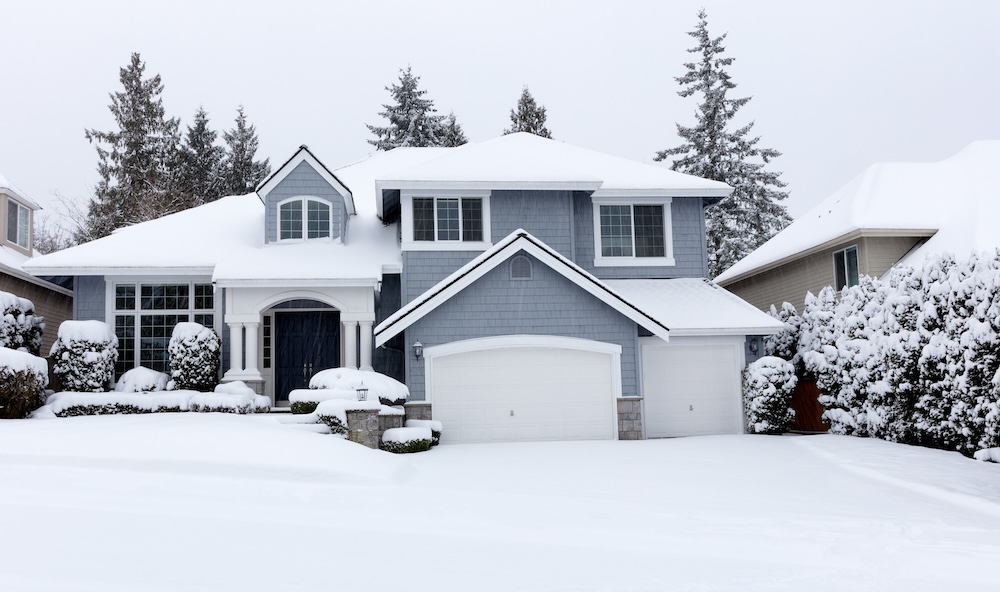
Winter storms often combine heavy snow, strong winds, ice, and freezing temperatures that can strain homes throughout inland Massachusetts. Paul Davis Restoration is here to help you protect your property and recover quickly if winter weather causes damage. Because inland communities sit farther from the moderating influence of the coast, houses in this region often face colder temperatures, deeper snow accumulation, and longer-lasting ice.
Nor’easters can drop several inches of wet snow in a short period, while gusty winds push trees and outdoor structures to their limits. When temperatures swing from freezing to slightly above, melting and refreezing cycles can create additional stress on roofs, siding, pipes, and foundations. Preparing before storm season intensifies gives you a better chance of avoiding emergency situations and helps reduce the impact of winter hazards.
Taking time to understand how these storms affect your home allows you to make informed decisions and stay ahead of potential issues.
Tree Damage and Wind-Related Hazards During Winter Storms
High winds are one of the most common causes of winter storm damage. Strong gusts can weaken trees, especially older ones or those already stressed by disease. When winds push against branches coated in snow or ice, limbs can snap and fall onto roofs, siding, fences, or vehicles. Even healthy trees can become unstable when the ground is saturated or frozen, since roots lose their ability to grip the soil. This increases the risk of uprooting during a storm.
Tree-related hazards often develop slowly, and many clients don’t notice early warning signs until a storm exposes the problem. Keeping an eye on the trees around your property helps you identify risks before they lead to costly damage. Common warning signs of tree-related hazards include:
- Leaning trunks: A tree that tilts more than usual may have weakened roots or shifting soil, which increases the chance of falling during high winds.
- Cracked or split branches: Visible fractures indicate structural weakness, and these branches are more likely to break under the weight of snow or ice.
- Dead or brittle limbs: Dry, lifeless branches snap easily, especially when winter storms add extra weight.
- Exposed roots: Roots that sit above the soil surface suggest instability, making the tree more vulnerable to uprooting.
- Fungus or decay at the base: Mushrooms or soft wood near the trunk often signal internal rot, which compromises the tree’s strength.
Identifying these issues early helps you take action before a storm arrives. Trimming, pruning, or removing hazardous trees reduces the chance of property damage and keeps your house safer during winter weather.
Snow Loads and Structural Stress on Roofs
Heavy, wet snow accumulation is one of the biggest threats to roof structures during winter storms. When snow piles up quickly, the weight can strain rafters, trusses, and other framing components. Even roofs built to handle typical New England winters can struggle when storms drop large amounts of dense snow in a short period.
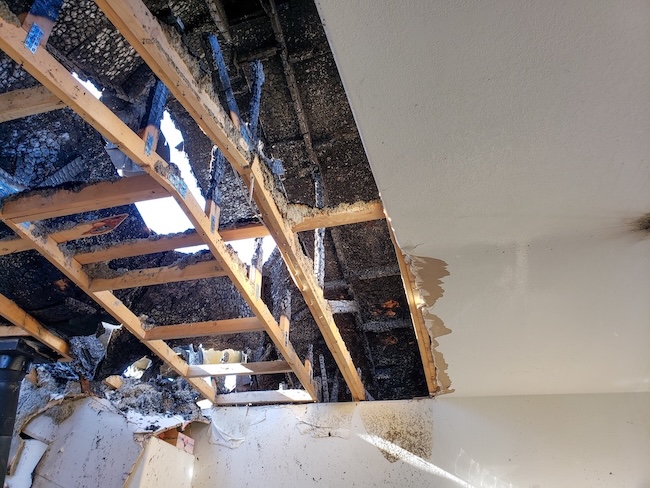
Excessive snow loads can lead to roof leaks as the weight pushes moisture into small openings or weak spots, quickly causing water damage. In extreme cases, the pressure can cause sagging or partial collapse. Uneven snow accumulation adds another layer of risk. When wind pushes snow into drifts, one section of the roof may carry significantly more weight than another. This imbalance increases stress points and makes structural damage more likely.
Monitoring snow depth and removing the buildup when it’s safe to do so helps reduce these risks. Using a roof rake from the ground is often the safest way to clear snow without damaging shingles, but you should never try to climb onto an icy roof or balance on ladders. If you notice sagging ceilings, sticking doors, or unusual creaking sounds, these may be signs that your roof is under too much strain. Call for professional help to avoid a partial or full roof collapse that requires reconstruction.
Ice, Freezing Rain, and Secondary Storm Damage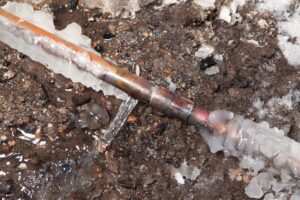
Ice buildup is another major concern during winter storms. When freezing rain coats trees, roofs, and power lines, it adds significant weight that can lead to breakage or collapse. Ice-covered branches often fall without warning, and power lines can snap under the pressure, causing outages that last for hours or even days.
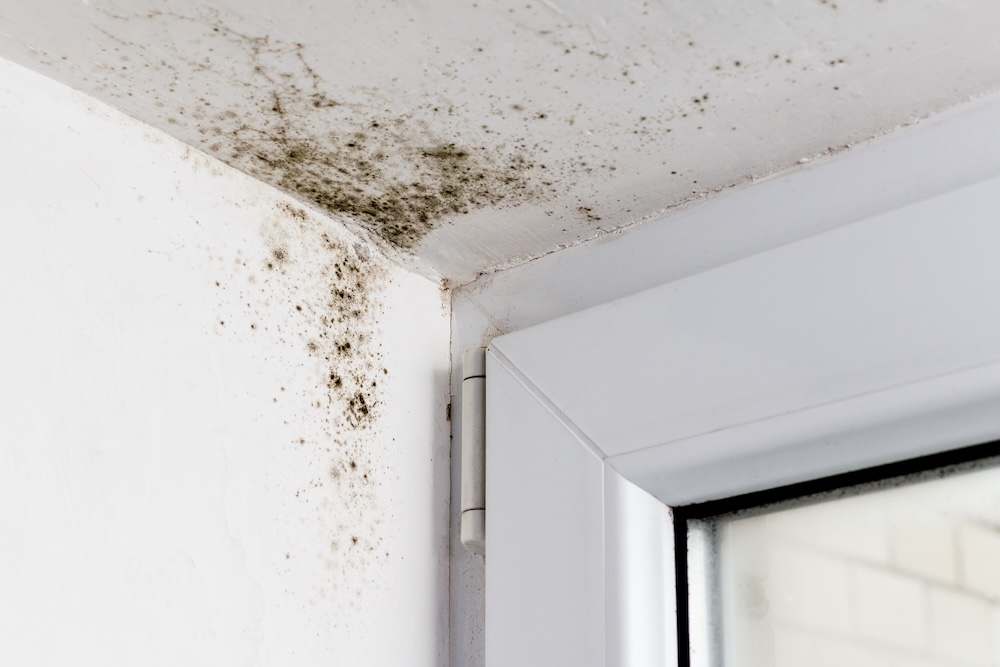
Freezing rain also creates dangerous slip hazards around your property. Walkways, driveways, and steps can become slick, increasing the risk of falls. When temperatures fluctuate, ice melts and refreezes, which can push water into cracks around windows, doors, and roofing materials. Once water enters these areas, it can cause interior damage, including staining, swelling, and mold growth.
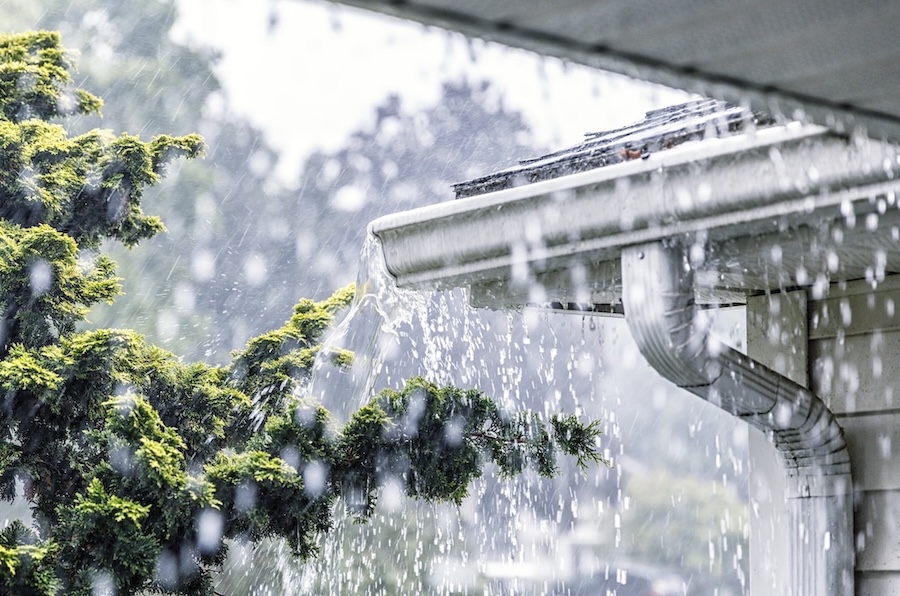
Ice also contributes to water intrusion by blocking drainage paths. When gutters or downspouts freeze, melting snow has nowhere to go, so it backs up under shingles or flows toward the foundation. This can lead to leaks, basement moisture, or structural deterioration. Staying aware of ice formation and clearing drainage paths when possible helps reduce these secondary issues.
Preparing Your Home Before a Winter Storm Hits
Early preparation is one of the most effective ways to reduce emergency situations during winter weather. Taking time to inspect your house before storms arrive helps you identify vulnerabilities and address them before they turn into bigger problems. Areas most at risk include roofs, gutters, trees, windows, and exterior structures like sheds or fences.
Preventative maintenance also plays a major role in protecting your home. Regular inspections help you catch small issues before they escalate. Checking seals, clearing gutters, and trimming trees are simple steps that can make a significant difference during a storm. Safe preparation steps include:
- Clear gutters and downspouts: This helps melting snow drain properly and reduces the chance of ice dams and buildup.
- Inspect roofing materials: Look for missing shingles or damaged flashing that could allow water to enter during a storm.
- Trim overhanging branches: Removing weak limbs reduces the risk of falling debris during high winds.
- Secure outdoor items: Storing or anchoring furniture, grills, and decorations prevents them from becoming projectiles.
- Check insulation and ventilation: Proper airflow helps reduce ice formation and keeps indoor temperatures more stable.
- Test backup power sources: Ensuring generators or battery systems are ready helps you stay safe during outages.
- Protect pipes: Frozen pipes during prolonged sub-zero temperatures frequently burst and cause significant water damage. Insulate them and let faucets drip slowly to relieve pressure in the system.
These steps help protect both your house’s structure, your plumbing, and your personal belongings, giving you greater peace of mind when winter storms approach.
Mitigating Damage During and Immediately After a Storm
Once a storm passes and conditions are safe, taking quick action helps limit further damage. Start by walking around your property to look for visible issues such as fallen branches, missing shingles, or damaged siding. Addressing these problems early prevents water from entering your home and reduces the chance of long-term structural concerns.
Emergency services play an important role in stabilizing your property. If you notice significant roof damage, downed trees, or water intrusion, contacting professionals helps ensure the situation is handled safely. Trained residential restoration teams can assess hazards, remove debris, and prevent additional loss.
Delaying action after a storm can allow damage to worsen. Water that enters through a small opening can spread quickly, soaking insulation, drywall, and flooring. Similarly, a fallen branch that seems minor may have caused hidden structural issues. Acting promptly helps protect your house and reduces the cost of repairs.
What to Do When Winter Storm Damage Occurs
If your home experiences roof damage, fallen trees, or water intrusion during a winter storm, knowing how to respond helps you stay in control. Start by documenting what you see. Photos and videos provide valuable information for insurance claims and help restoration teams understand the extent of the damage.
Professional restoration support is essential after severe storms. Trained specialists know how to identify hidden issues, remove hazards, and restore your house safely. Winter storm recovery often involves multiple steps, including debris removal, water extraction, structural drying, and repairs. Having a trusted team ensures each phase is handled correctly.
Timely restoration helps return your home to normal faster. Addressing damage quickly reduces the chance of mold growth, structural deterioration, or additional water intrusion. Paul Davis has extensive experience helping homeowners throughout Worcester County recover after winter storms. Our team understands local weather patterns, common damage types, and the best methods for restoring houses affected by snow, wind, and ice. Knowing you have a reliable partner gives you confidence during challenging weather events.
If you need emergency response or want to schedule an inspection, contact us at Paul Davis today.