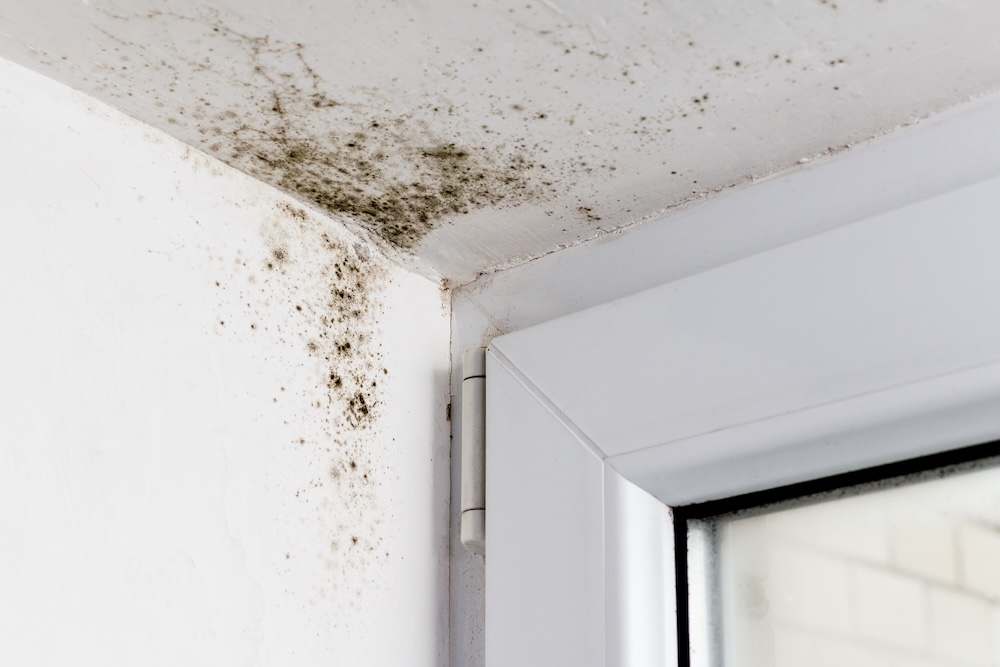
When winter begins to fade and temperatures start rising, you might start noticing subtle changes inside your home. What is frequently overlooked is that the coldest months of the year set the stage for eventual mold growth. Fluctuating temperatures and poor ventilation, along with moisture accumulation, create ideal conditions for mold to thrive once spring has arrived. Knowing why this happens and how you should respond helps protect your health and home.
How Lingering Moisture Encourages Mold Growth
Winter conditions frequently set things up perfectly for mold, namely, damp, humid environments. In the colder months, homes are tightly sealed to conserve heat. This has the benefit of improving energy efficiency, but it also traps moisture inside. Showering, cooking, and even breathing are some of the daily activities that release moisture into the air. If there’s no proper ventilation, that moisture can’t go anywhere.
Cold surfaces play a significant role. Windows, poorly insulated areas, and exterior walls are all spots in a home that can get substantially cooler than the air surrounding them. When moist, warm air comes into physical contact with these cold surfaces, condensation forms. Repeated cycles of this over time create consistently damp areas where mold spores can settle in.
Once spring temperatures start rising, mold can start growing rapidly. Spores that were dormant in colder conditions now have moisture and warmth; both are essential ingredients for expansion. If you’re wondering why you might first notice mold issues just as winter ends, it’s often because of that.
Causes and Sources of This Moisture
When moisture builds up during the winter season and after, it’s often due to a combination of factors. Poor ventilation is one of the most common sources. Kitchens, bathrooms, and laundry rooms generate high humidity levels. When exhaust fans aren’t effective or are unused, moisture lingers in the air. Eventually, that moisture will settle on surfaces and stay there.
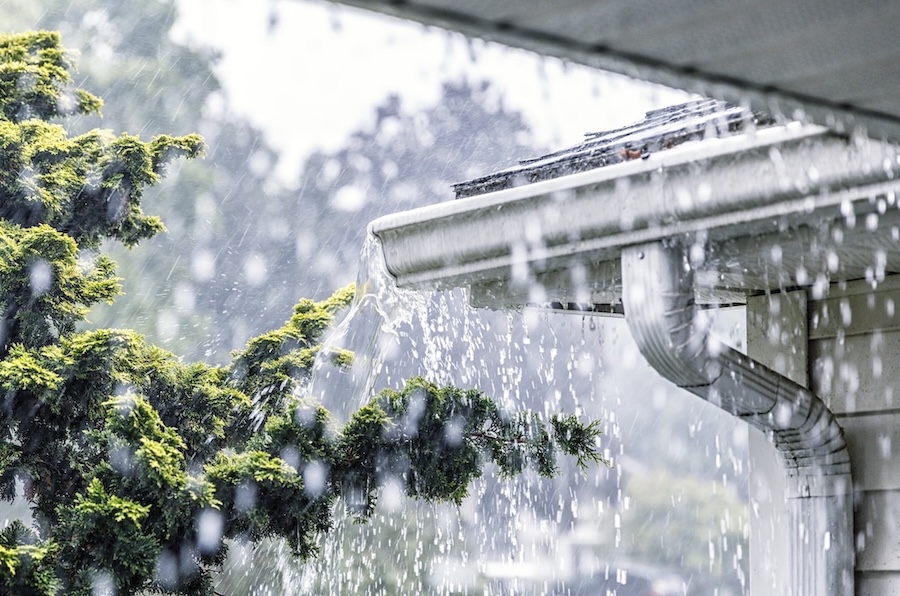
Roof and gutter issues are also major contributors. In winter weather, ice dams can form along roof edges, preventing proper drainage. When snow melts, the resulting water can seep under shingles and enter the home. That moisture might remain hidden in walls or attics until mold starts to grow.
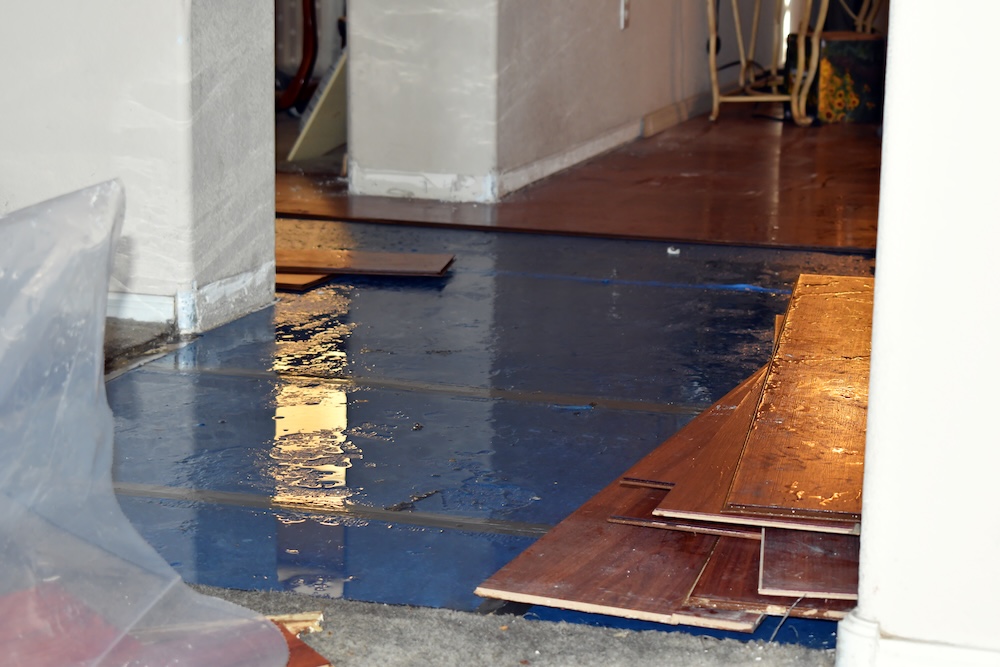
Crawl spaces and basements can be vulnerable points. These areas are naturally cooler. In many cases, they have limited airflow. Melting snow in winter and rain in spring can lead to water intrusion, especially if your home has poor drainage or foundation cracks. Once moisture gets into these spaces, it can persist for a long time before anyone notices it. The difference between warm indoor air and cold outdoor air can also cause condensation on windows and walls, adding moisture to these spaces that has nowhere to escape.
Plumbing leaks are another common source of moisture in residential settings, but they’re also frequently overlooked. Pipes might develop small leaks after repeated cycles of freezing and thawing. Even a minor drip can generate enough moisture over time to engender mold growth under flooring or behind walls.
Finally, moisture issues can be complicated by insulation problems. Inadequate insulation allows warm air to escape and cold air to enter, increasing the likelihood of condensation forming inside ceilings or walls.
Signs of Mold Growth
Mold isn’t always visible immediately, but you can watch for several warning signs. Earthy or musty odors are early indicators that can signal hidden growth under carpets or behind walls, as smells your nose might pick up before your eyes see anything.
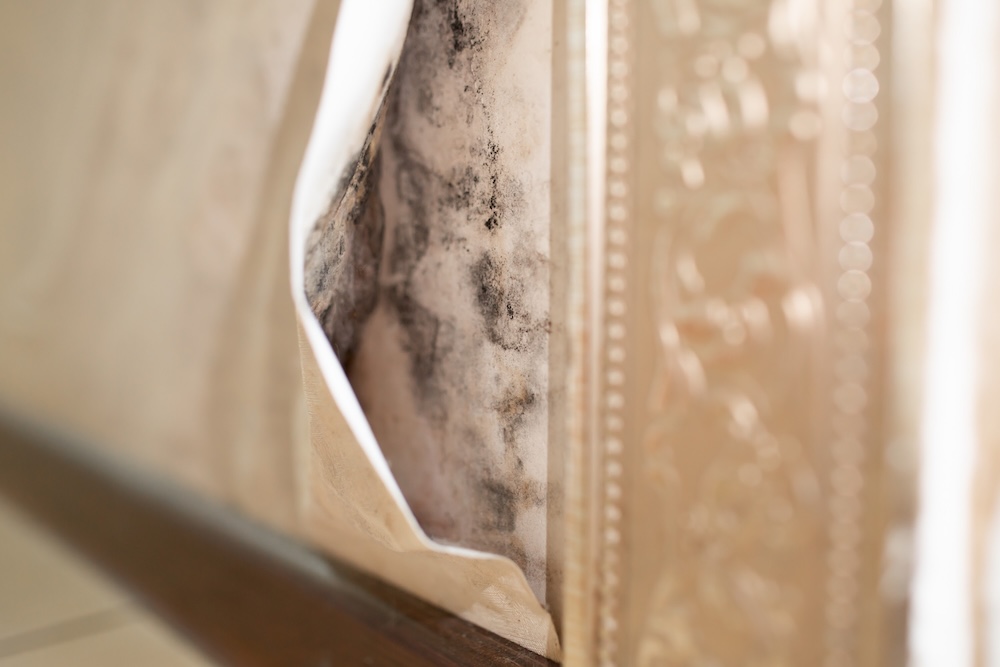
The first visible sign is often discoloration on surfaces. Mold can appear in many colors, including green, black, white, and even orange. You might notice streaks, spots, or fuzzy patches on ceilings, walls, or around windows. Peeling wallpaper or paint might also indicate moisture problems that can lead to mold. When water is trapped behind surfaces, it can weaken adhesives, making materials separate or bubble. These are places where mold can grow without notice.
Health symptoms can point to mold exposure. Members of your household might experience increased allergy symptoms, such as coughing, sneezing, respiratory irritation, or itchy eyes. While these symptoms might have many different causes, you shouldn’t ignore them if they coincide with signs of mold or moisture.
In severe cases, mold damage becomes apparent structural damage. Wood starts rotting. Drywall softens. Flooring warps. These situations are usually the result of prolonged exposure to moisture and potential mold infestation.
Mold Prevention
Take a proactive approach to moisture control to prevent mold growth after winter. Improving ventilation throughout your home is effective. Ensure your bathroom and kitchen exhaust fans are working correctly. Have everyone in your household use them regularly. Weather permitting, open windows to reduce indoor humidity. Ideal humidity levels between about 30 and 50 percent are ideal for most homes. A dehumidifier can help you maintain this range, particularly in damp areas and basements.
Seal cracks and gaps, and address insulation issues. Adding or upgrading insulation in attics and behind walls can help maintain consistent temperatures and prevent the cold spots where moisture often accumulates. Identify and deal with any potential points of moisture entry. Fix leaks promptly, whether it’s a small roof leak or a dripping pipe.
How Remediation Works
Professional mold remediation is commonly necessary to fully resolve situations where mold is already present. It’s a process that goes beyond cleaning, focusing on addressing underlying causes and ensuring safe mold removal.
The first step is inspection and assessment. Professionals assess the extent of mold growth. They also locate the moisture source feeding the mold to prevent mold from returning after removal.
Second, containment involves sealing off affected areas with negative air pressure systems and plastic barriers. This prevents mold spores from spreading throughout the home during cleanup. Air filtration captures airborne spores.
Contaminated materials are removed or cleaned. Specialized solutions can often clean non-porous surfaces, but insulation, drywall, and other porous materials might need removal and replacement.
Following removal, the area is dried thoroughly and treated to prevent future growth. Further restoration work might be necessary to return a home to its original condition.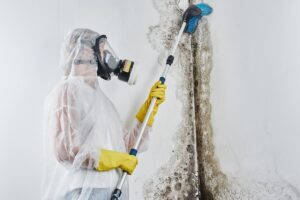
Keeping Your Home Dry and Mold-Free Year-Round
The bad news is that mold growth after winter is common. However, the good news is that it’s also preventable, and you can recover from it.
By knowing how moisture builds up during the colder months and learning the early signs of mold, you can take steps to protect your home. Proper ventilation, consistent maintenance, and prompt repairs go a long way in reducing the involved risks. If problems do arise, professional mold remediation addresses them effectively and safely.
Stay proactive to enjoy multiple benefits. First, you’ll preserve your home’s structure. Second, you’ll help maintain a healthier environment for everyone in your household.
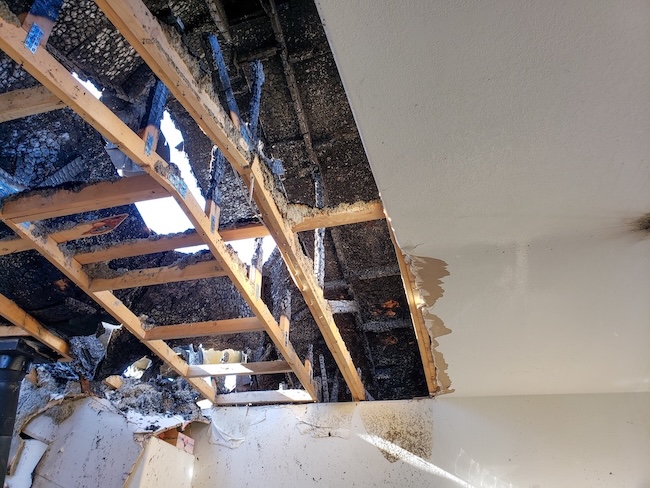
When disaster strikes, residents of Worcester County turn to Paul Davis for professional restoration services in Central Massachusetts. In addition to mold, we respond to damage from smoke, fires, storms, and wind, providing biohazard cleanup and sewage cleanup, reconstruction and remodeling services, and restoration of documents and photos, among other restoration solutions.
Contact Paul Davis Restoration if you see signs of winter mold growth and need remediation from a certified team.