As winter fades across Worcester, melting snow and early spring rain create conditions that can challenge homes from Tatnuck Square to Vernon Hill and beyond. After a long winter, snow and ice build up. When temperatures rise, packed snow, frozen soil, and saturated ground begin to soften, sending water toward houses throughout the city. If the ground is still partly frozen, melting snow can’t absorb into the soil.
Instead, it moves across the surface, collecting around foundations and slipping into small openings. Window wells, small cracks, and older masonry can all become entry points. When spring rain arrives on top of melting snow, the volume of water increases quickly, which can overwhelm drainage systems and sump pumps.
Paul Davis Restoration of Worcester created this guide to help you understand how the spring thaw affects your home, what steps reduce risk, and how to respond if basement flooding occurs. The goal is to give you practical, expert guidance you can use throughout the season.
The First Areas Homeowners Should Inspect During Spring Melt
Early inspection is one of the most effective ways to prevent water from entering your basement. As soon as temperatures climb and snow begins shrinking, you can walk around your property and look for potential trouble spots.
You can start by examining your foundation walls for cracks or any signs of seepage. Even small openings can allow moisture to enter once snowmelt begins flowing toward your house. You can also check basement windows and window wells to confirm they’re clear of debris and draining properly. Gutters and downspouts should be inspected for blockages that might cause water to spill over the edges. Also, be sure to review the exterior grading around your foundation to ensure soil slopes away from the house. Finally, you can look at your sump pump system and drainage lines to confirm they’re ready for increased groundwater.
These simple checks can help you catch issues before they turn into larger problems during peak melt.
Gutters, Downspouts, and Drainage: Your First Line of Defense
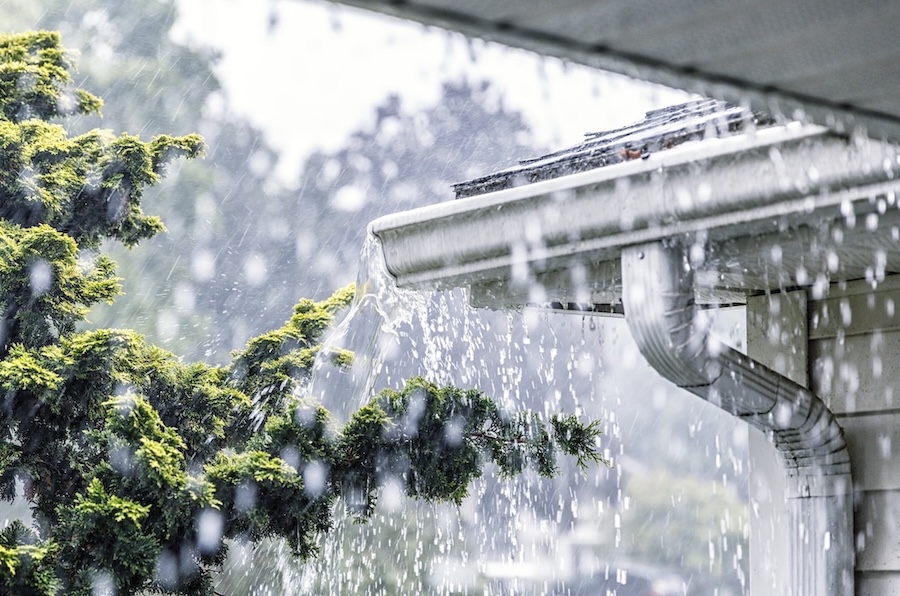
Roof runoff plays a major role in how much water collects around your home during the spring thaw. When snow melts on your roof or rain falls during early spring storms, that water needs a clear path away from your foundation. Gutters and downspouts help move water safely, but only if they’re clean and functioning.
Clogged gutters often cause water to spill over the edges, sending it straight down to the soil next to your house. Short downspouts can also create problems by depositing water too close to the foundation. When this happens during spring melt, the added moisture can seep into basements or increase pressure against basement walls.
Keeping gutters clear and extending downspouts several feet away from your home can significantly reduce the amount of water that reaches your foundation during this season.
Why Sump Pumps Matter Most in Early Spring
Sump pumps are essential during spring because groundwater levels rise quickly as snow melts. A pump that worked fine during winter may struggle once the water table increases. If your pump is older, clogged, or has a weak float switch, it may not activate when you need it most.
Spring melt often reveals hidden issues, especially if your pump hasn’t been tested since fall. A reliable sump pump can prevent basement flooding by removing water before it reaches your floor.
Quick Sump Pump Test Before Peak Melt Season
You can perform a simple test to confirm your sump pump is ready. First, pour water into the sump pit to trigger the float switch. Once the float rises, you can confirm the pump activates and removes water quickly. You can also check that the discharge pipe carries water away from your foundation. If you have a backup battery system, you can inspect it to ensure it’s charged and functioning.
If the pump doesn’t activate or drains slowly, it should be inspected right away.
Early Signs of Water Intrusion in Basements
Basement flooding rarely happens without early clues. Many people notice subtle changes before water becomes a serious issue. Paying attention to these signs can help you act before damage spreads.
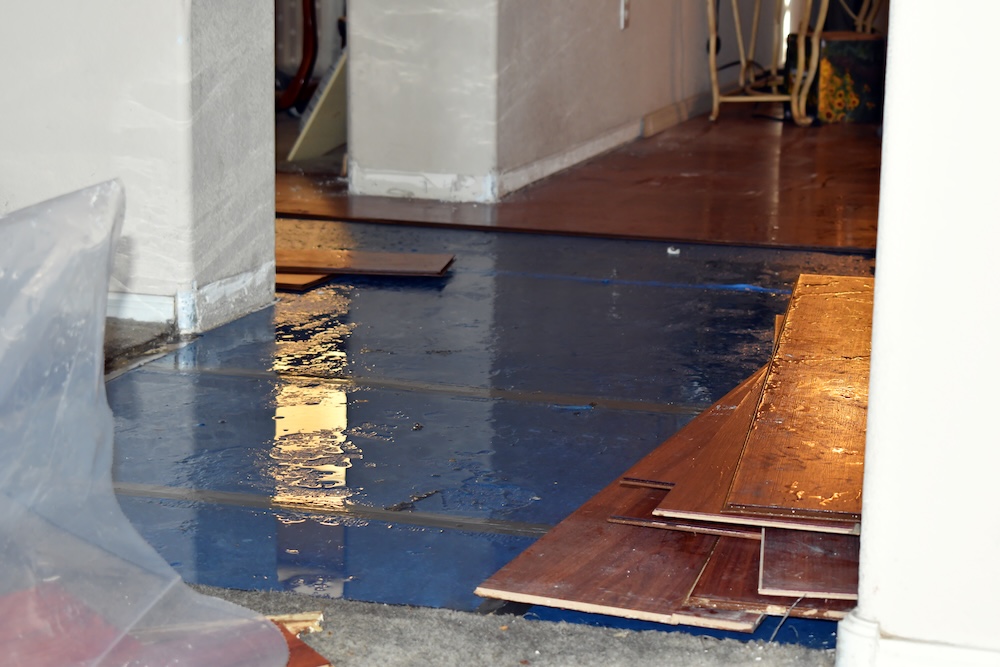
You may see damp spots or water stains along the basement walls. Some homeowners notice musty odors in the basement, which often indicate moisture. Efflorescence, which appears as white mineral residue on concrete walls, can also signal water movement. You may find warped or damaged basement flooring, especially near exterior walls. Standing water near floor drains or foundation edges is another sign that water is entering the space.
Mold Risks After Basement Moisture or Flooding
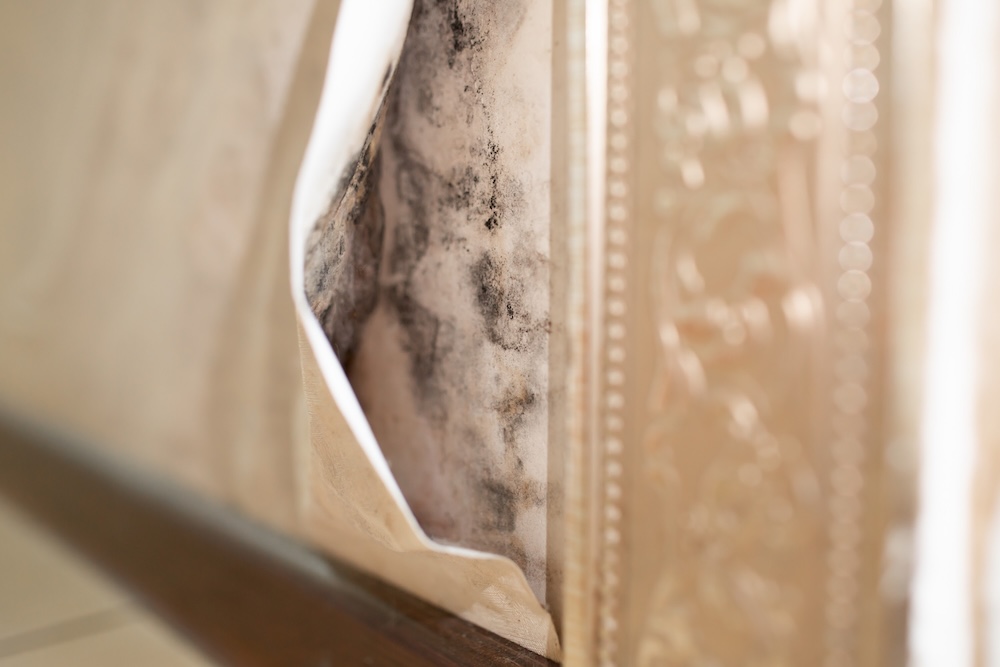
Moisture introduced during the spring thaw can lead to mold growth if it’s not removed quickly. Mold often develops in drywall, insulation, carpeting, and wood framing. Once materials stay damp for too long, mold can begin forming within 24 to 48 hours, requiring professional mold restoration services.
How Do I Prevent Basement Floods?
A few practical steps can help you reduce the chance of basement flooding during spring melt. You can clear gutters and confirm that downspouts direct water away from your foundation. Then, you should inspect basement windows and window wells for debris or damage. Make certain you test sump pumps and backup systems to ensure they activate properly. It also helps to confirm the ground slopes away from your house to help water drain. Next, you’ll want to check foundation walls for cracks or moisture intrusion. Finally, remove snow piles positioned directly against your foundation.
These actions can significantly lower your risk during spring storms and melting periods.
What Do I Do If My Basement Gets Flooded?
If your basement floods, quick action can help reduce structural damage and limit mold growth. Turn off electricity to affected basement areas if it’s safe to do so. Remove standing water as quickly as possible. Move furniture and belongings away from wet areas. You can then begin drying the space with fans and ventilation. Most importantly, contact a professional restoration company for proper water extraction and drying.
Why Professional Water Damage Restoration Matters
Basement floods can saturate building materials and structural components in ways that surface drying cannot fix. Restoration specialists use professional extraction equipment, industrial drying systems, and moisture detection tools to fully dry the space and prevent mold growth. Paul Davis Worcester provides comprehensive water damage restoration services, including water removal, structural drying, cleanup, and rebuilding damaged areas. Our team responds quickly to help you limit damage and restore your home safely.
Protect Your Worcester Home During Spring Thaw
Spring melt brings unique challenges to houses across Worcester, from the hills of Indian Lake East to the streets surrounding Green Hill Park. Early inspection, proper drainage maintenance, and sump pump testing can help you stay ahead of seasonal water issues. Paul Davis is ready to assist when water damage occurs and can help restore your home to its pre‑loss condition.
If you experienced basement flooding or water damage from the spring thaw in Worcester, request service from Paul Davis today.