Thunderstorms are a normal part of life throughout Central Massachusetts, especially during the spring, summer, and early fall. Areas like Shrewsbury, Holden, Auburn, and Worcester frequently experience strong winds that accompany heavy rainfall.
Most homeowners look for obvious storm damage like missing shingles or fallen tree limbs. However, damage from wind-driven rain can be much harder to detect. Unlike a traditional roof leak from damaged roofing material, wind-driven rain occurs when strong winds force water into normally protected areas. Rain can push water underneath your shingles and flashing, around your windows, behind your siding, and even into small gaps throughout your home’s envelope.
In a lot of cases, homeowners may not realize that water intrusion is an issue until mold growth, staining, or structural damage becomes visible weeks later. This is when the cost of restoration services is likely to increase.
How Does Wind-Driven Rain Affect Homes Throughout Central Massachusetts?
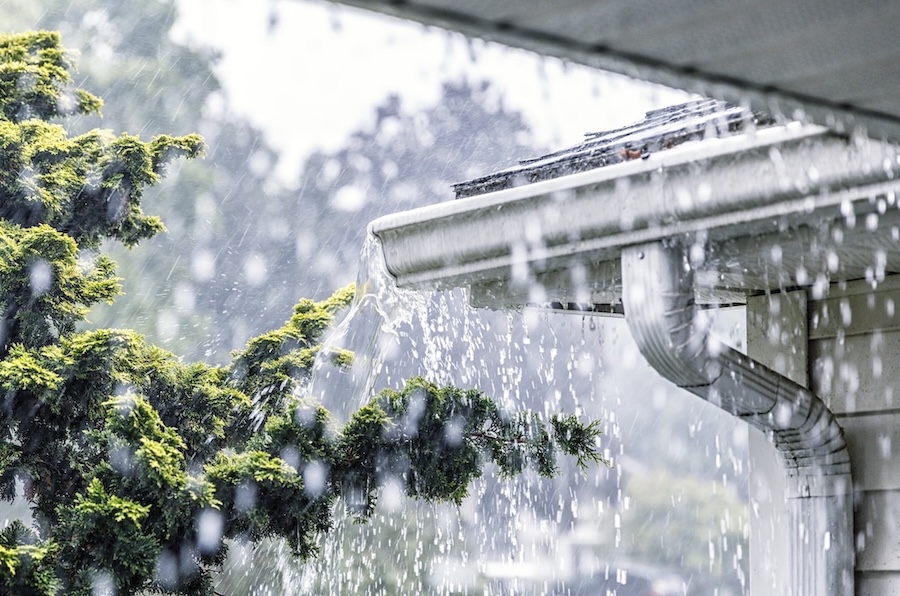
The problem with wind-driven rain is that it allows water to travel into places that normal rainfall simply can’t. During severe thunderstorms throughout Worcester County and the surrounding areas, high wind gusts can push rain sideways against your home’s exterior. This allows water to enter behind siding, around your windows, through roof penetrations, and even beneath your flashing. While your home may appear to be structurally sound from the outside, it can experience moisture intrusion during severe weather events.
With Central Massachusetts experiencing repeated cycles of humidity, rain, and temperature changes throughout the year, your home is more likely to experience issues like gradually failing seals, caulking, and exterior materials. This makes it much easier for wind-driven rain to find a pathway into your home.
What Roof Damage Should Worcester-Area Homeowners Check for After a Thunderstorm?
One of the most pivotal places of your home to inspect after a significant storm event is your roof. Even minor roof damage can allow water to intrude inside your home long after the rain stops. You should never climb onto your roof, but from the ground or out of a high window, you might be able to spot issues like lifted shingles, damaged flashing, missing shingle granules, and debris accumulation. Pay special attention to your chimneys, valleys, skylights, vents, and other areas where different roof surfaces meet. These locations are more vulnerable to water entry during high wind events.
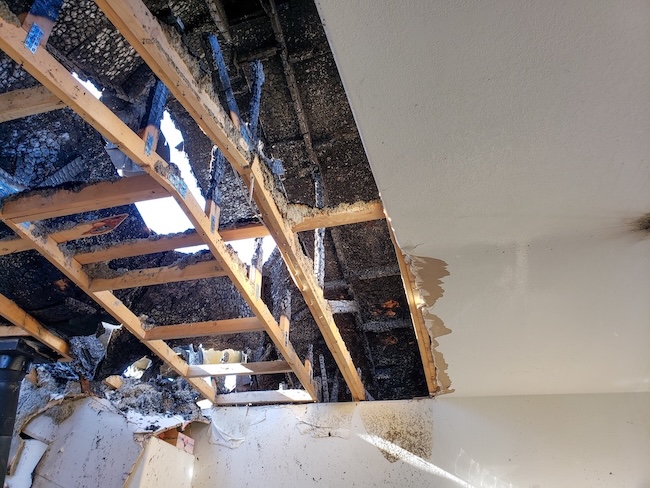
On the inside of your home, look for ceiling stains, peeling paint, discoloration, damp insulation, and sagging drywall. Water that enters through your roof will often travel along your framing before it becomes visible. This means locating the source of the leak can be quite challenging at first. If you suspect roof damage, have a professional roofer perform a thorough inspection to determine whether hidden moisture problems exist.
Can Wind-Driven Rain Get Behind Siding in Central Massachusetts Homes?
Yes, wind-driven rain can certainly get behind your siding system. Even though your siding is specifically designed to shed water, it’s not completely waterproof. Strong wind gusts can force rain behind your fiber cement, vinyl, or even wood siding.
After a severe thunderstorm, look for things like warped sections, cracked siding, missing trim pieces, gaps around exterior penetrations, and even loose panels. Anywhere that water can seep behind your siding and get trapped can create mold and water damage issues. Wood rot, insulation damage, and mold growth can all occur shortly after your wall cavities trap moisture.
How Can I Tell if Rain Entered Around My Windows in Worcester County?
Windows are a common entry point for wind-driven rain. Aging homes often have worn-out seals, flashing systems, and exterior caulking that can deteriorate over time. Following any thunderstorm event, it’s important to inspect your window frames. Look specifically for bubbling paint, soft drywall, visible moisture, discoloration, and water staining. You may notice condensation forming between materials or even damp carpeting near your windows. Even a small amount of moisture from repeated thunderstorm events can create serious water damage to your home.
What Hidden Moisture Problems Should Central Massachusetts Homeowners Watch For?
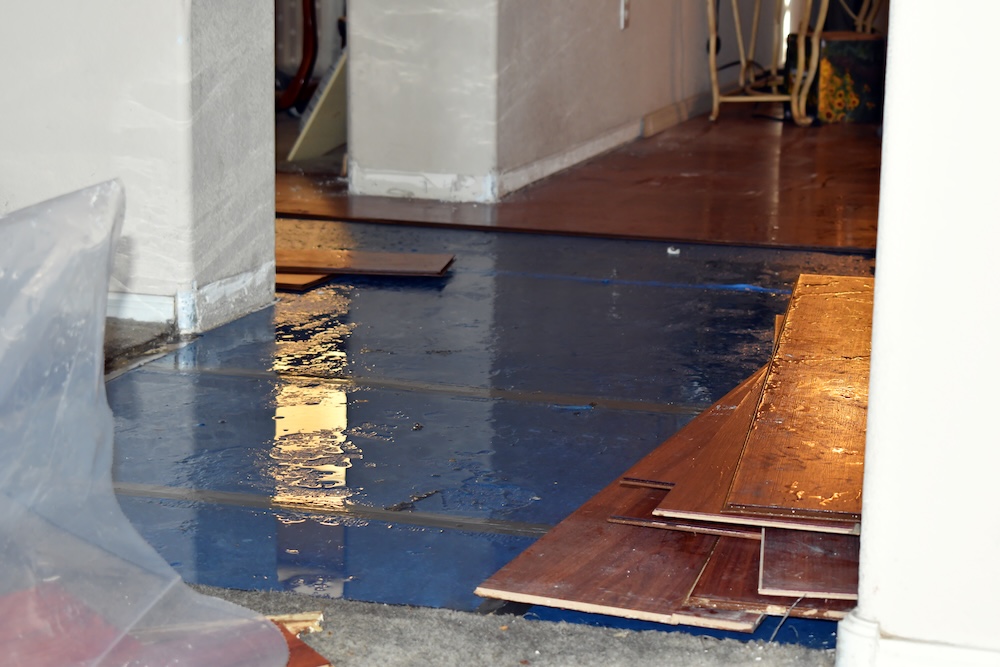
The biggest danger associated with wind-driven rain is hidden moisture. Water doesn’t always remain visible after it enters your home. It can migrate into insulation, subflooring, wall cavities, attic materials, and crawl spaces. Even though the surfaces may appear dry, moisture may hide inside the building material itself.
You may notice a persistent musty odor, peeling paint, bubbling drywall, or warped flooring. There may also be soft building materials, unexplained indoor humidity, and persistent damp smells. Many homeowners assume that if water is no longer visible, the problem is resolved. Unfortunately, that’s not the case. Trapped moisture can cause significant damage to your building materials long after the storm passes.
Why Is Mold a Concern After Water Intrusion in Central Massachusetts?
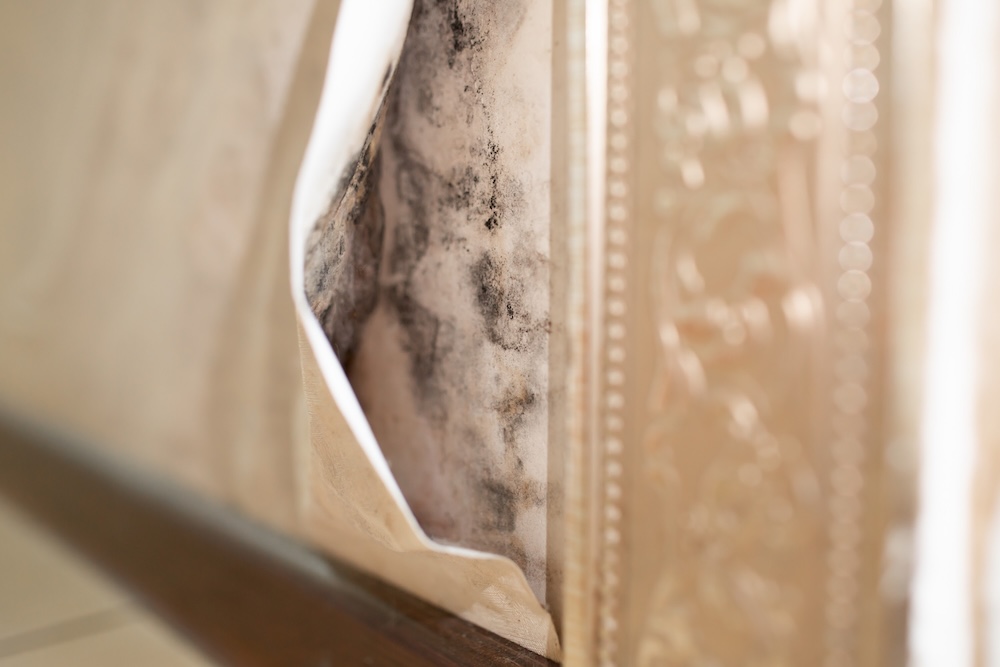
When most people think about storm damage, they picture roof leaks and siding flying off their home. However, mold growth is one of the most common secondary problems associated with storm damage. Once moisture enters your home, mold can begin to develop within 24 to 48 hours under the right conditions. Wood framing, insulation, drywall, carpeting, and other porous materials create the ideal surface for mold growth when moisture is present.
Because hidden moisture often remains trapped inside your ceilings and walls, mold can develop in areas that you don’t regularly see. Beyond damaging your building materials, mold creates an unpleasant odor and has a negative impact on your indoor air quality. Those who suffer from severe allergies and asthma may experience significant flare-ups. The longer moisture remains untreated, the greater the likelihood that professional mold remediation will be necessary.
We’re Here to Repair Your Storm Damage
You need to contact a professional whenever you suspect that there’s water intrusion but can’t fully determine the extent of the damage. This includes things like water entering around your doors and windows or ceiling stains appearing after a storm. If there’s visible damage to roofing materials, you suspect mold, or your siding is compromised, you need a professional on your side.
Contact Paul Davis Worcester for expert storm, water, and mold damage restoration in Central Massachusetts.