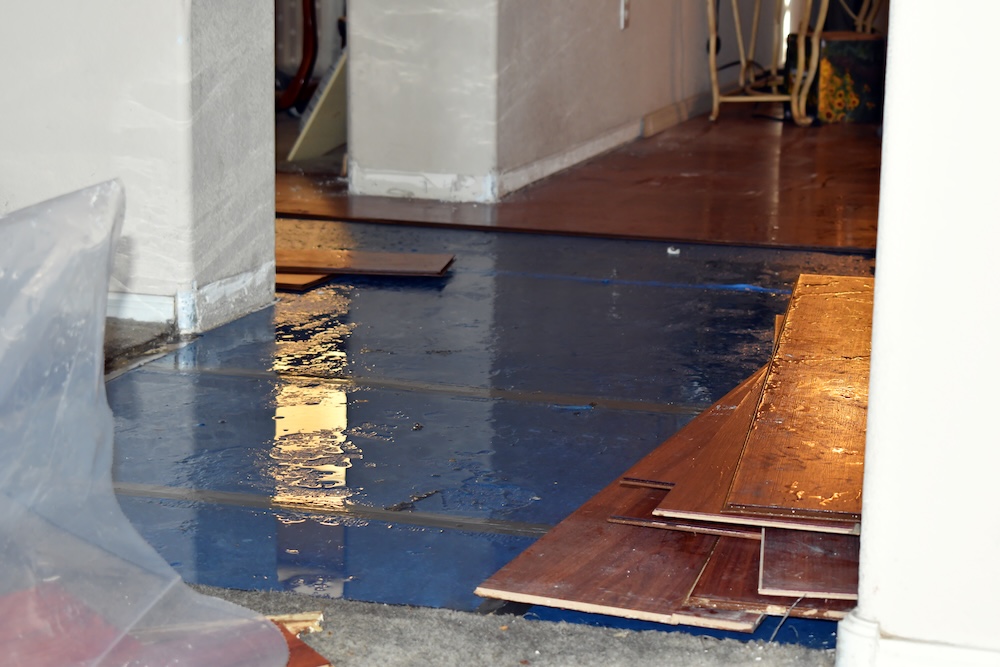
When you live near Lake Quinsigamond or Indian Lake, you can enjoy beautiful scenery and easy access to the water. However, living within close proximity to the lake can create unique challenges during the summertime. Warm temperatures combined with elevated humidity can create the perfect conditions for water damage and mold growth in your home.
Whether you have an older home with a basement or a newer property, understanding how moisture affects your home can allow you to take preventative measures against costly damage.
Why Lake-Area Homes Are Prone to More Moisture-Related Problems
Homes near Lake Quinsigamond and Indian Lake regularly experience higher humidity levels than more inland communities. This is because of their close proximity to large bodies of water. Throughout the summertime, moisture evaporates from the lake and mixes with warm air. This increases outdoor humidity that can enter your home.
Over time, persistent higher humidity can cause moisture to settle into building materials like insulation, wood framing, drywall, furniture, and carpeting. Once these materials become damp for extended periods, mold growth can occur. Older homes tend to be more vulnerable due to stone and block foundations, minimal waterproofing, less efficient insulation, and aging drainage systems. Newer homes can also develop moisture problems, especially if they have poor ventilation or their HVAC system is inappropriately sized.
Why Your Basement Is Especially Vulnerable
Your basement naturally remains cooler than the rest of your home. During the humid summer, moist air will enter your basement and rapidly cool down when it contacts your concrete walls and flooring. This process creates condensation that adds moisture to your already damp basement. Basements near lakes frequently experience moisture-related issues from multiple sources.
These include condensation on pipes, humid outdoor air, and minor foundation seepage. There may be poor drainage around the home, high indoor humidity, or groundwater surrounding the foundation. Even if you don’t see standing water in your basement, consistently damp conditions can provide the ideal environment for biological growth that causes mold damage.
Does Poor Ventilation Make Moisture Worse?
Yes, poor ventilation can make your moisture problems much worse. Many homeowners end up unknowingly trapping humidity inside their homes. Finished basements, laundry rooms, kitchens, and bathrooms all generate moisture through your everyday activities. Washing clothes, cooking, showering, and even breathing all release water vapor into your air. Without adequate ventilation, that moisture has nowhere to go but to linger in those spaces.
Some common ventilation problems homeowners have are that their bathroom exhaust fan is too small and their fans vent into their attic space instead of the outdoors. Issues like blocked return vents, leaky dryer vents, closed interior doors, and dirty HVAC filters can all restrict airflow. When moisture remains trapped inside your home, humidity levels climb and keep surfaces damp.
Where Does Mold Usually Develop?
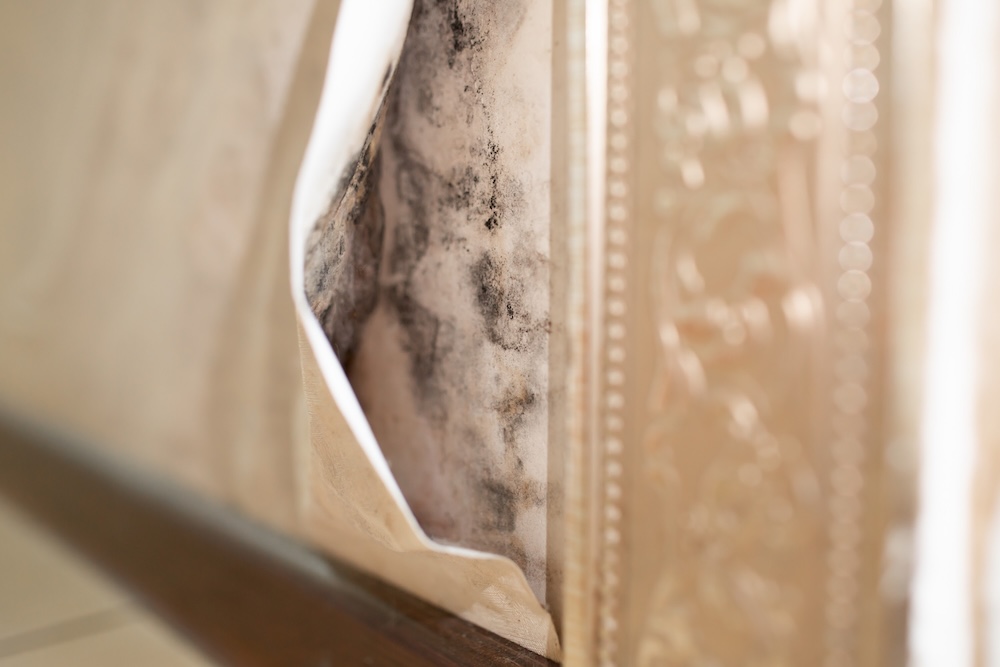
Many homeowners think that mold only develops after major flooding happens. Even small amounts of moisture can develop mold over time if left alone. Some common locations that experience mold growth include basement walls, behind drywall, in crawl spaces, under carpeting, around windows, beneath sinks, and near your HVAC equipment.
You may notice it behind your washing machine, around your shower surrounds, inside your closets, or behind your furniture. Just because you don’t see it all the time doesn’t mean that mold doesn’t develop out of your sight. As soon as you see signs of mold growth, it’s important to contact us for residential services to minimize the damage to your home.
Key Warning Signs of Unwanted Moisture Infiltration
The key to avoiding the need for mold damage remediation or content restoration service is to detect the early warning signs of unwanted moisture. One of the biggest misconceptions homeowners have is that mold always appears as large black patches on their walls. In most cases, mold often develops slowly and remains hidden. A key warning sign is a persistent musty odor. Having a musty smell that never disappears tells you that there’s hidden moisture in your home.
You may notice condensation collecting on your windows during humid conditions. That repeated condensation will eventually damage your window frames and even the surrounding drywall. Homeowners may notice peeling wallpaper or paint when there’s excess moisture behind their walls. Damp or warped baseboards are all signs that your wood trim is absorbing moisture from your walls or floors.
Those who have allergies will notice an uptick in symptoms. These include headaches, coughing, itchy eyes, a runny nose, and sneezing. All of these symptoms suggest that you may have poor indoor air quality that’s caused by excessive moisture and unwanted mold growth.
How to Prevent Mold During Summer
Now that you understand some of the key reasons why you may be dealing with excess moisture in the summer, it’s time to take some proactive steps to reduce your risk. One of the most impactful is controlling your indoor humidity level. Using a whole-home dehumidification system is one of the easiest and most effective solutions to maintain proper indoor humidity. Simply set your indoor relative humidity between 30% and 50% to minimize mold.
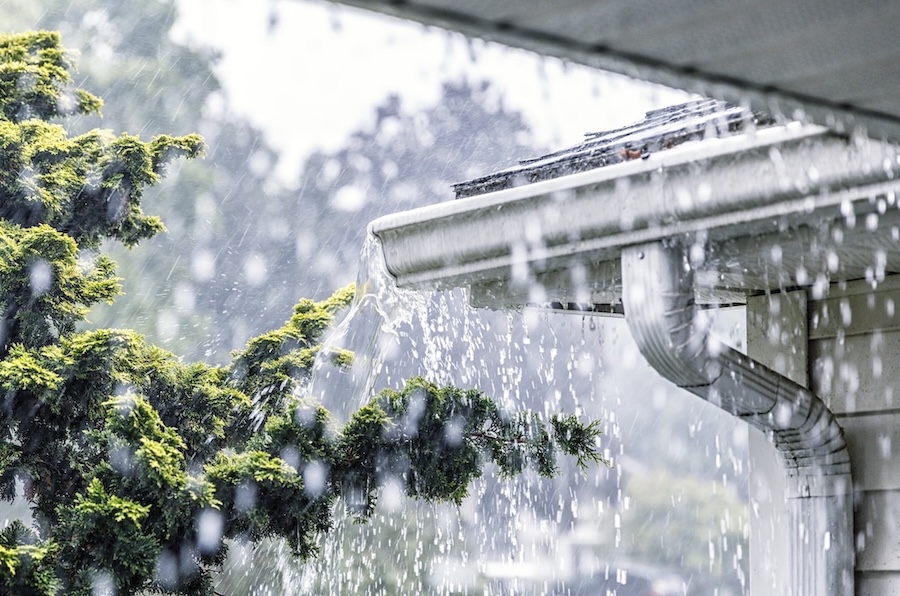
Water should always be flowing away from your home’s foundation. It’s a good idea to inspect your gutters, downspouts, yard grading, window wells, and drainage swales to see if water is lingering by your foundation. If it is, correcting improper drainage can help reduce the amount of moisture that ends up in your basement.
It’s always a good idea to remember to use your exhaust fans whenever you’re in the bathroom taking a shower. Ensure you turn on the fan so that it’s moving that excess moisture out of your home. Leave the fan running for at least 20 minutes after your shower. Also, be sure to use your kitchen exhaust fan whenever cooking to remove steam.
Schedule a Professional Assessment Today
If you suspect that you have damage from moisture or mold, it’s important to act quickly. Letting these problems persist can lead to costly damage to your home.
Contact Paul Davis of Worcester County today to schedule a home assessment or immediate mold damage restoration near Indian Lake or Lake Quinsigamond.