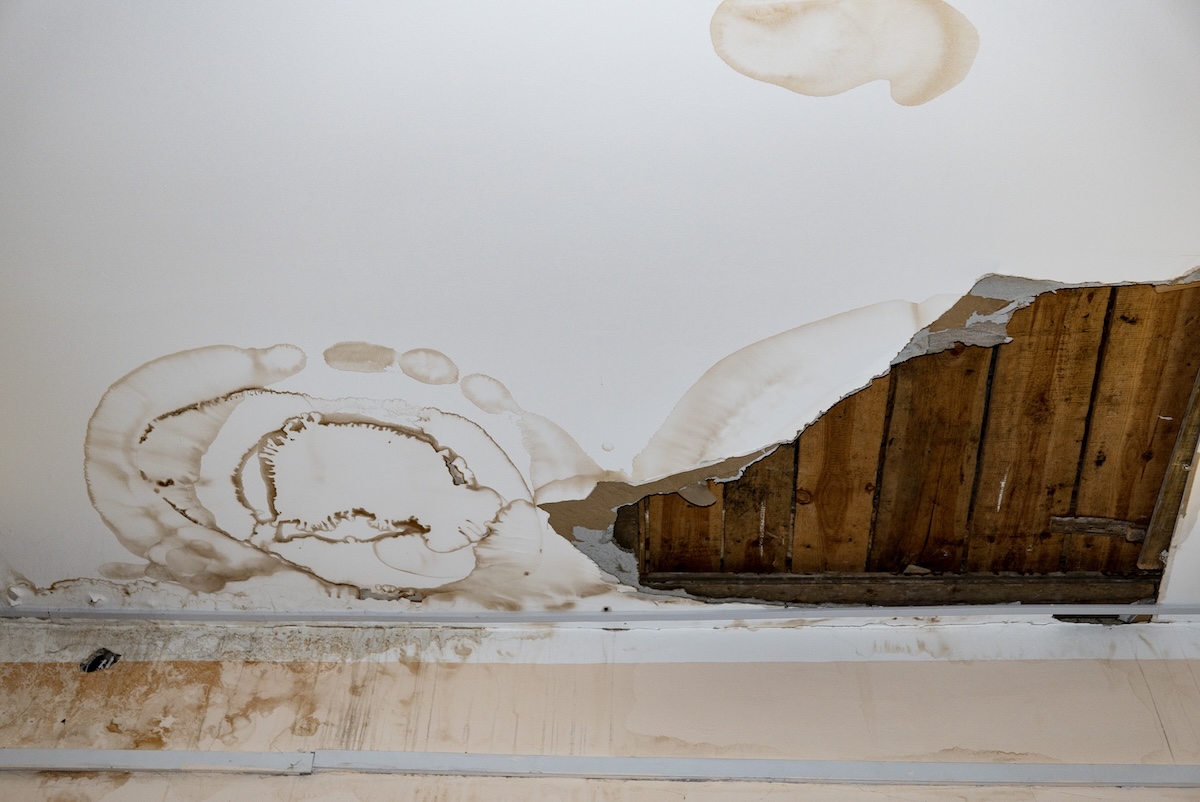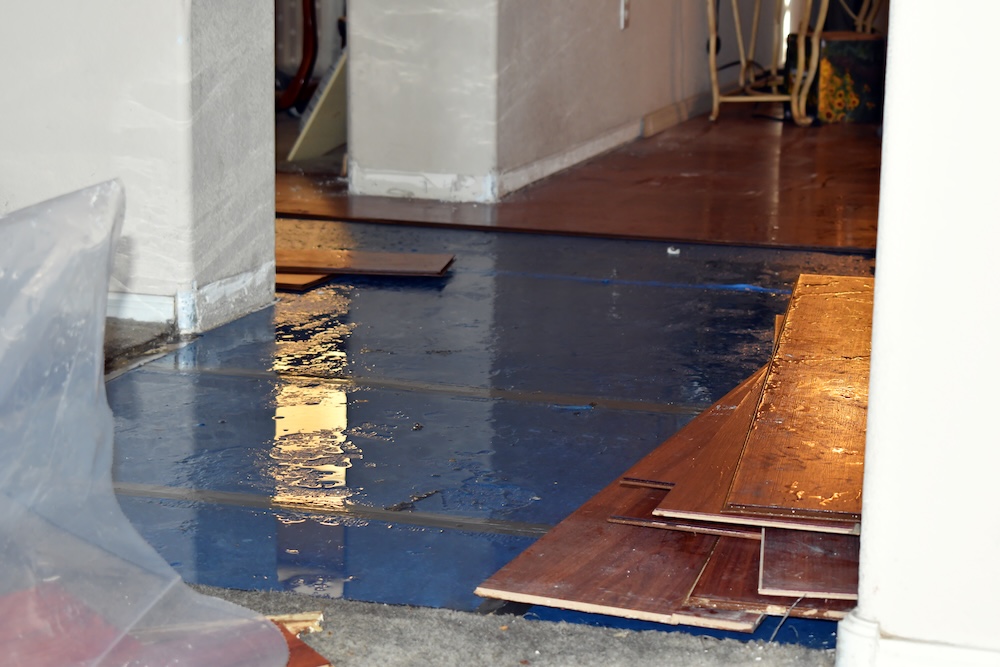
Discovering a flooded basement is a stressful experience for any homeowner. When an aging water service line fails, it can release a large volume of water quickly. This can damage your Worcester home’s utilities, flooring, walls, belongings, and finished living spaces.
Reacting quickly and safely is critical. The first steps are to stop the water source if possible, stay safe from electrical hazards, document the damage for your insurance claim, and begin water removal before the damage spreads.
Step 1: Shut Off the Water if You Can Reach the Valve Safely
The first priority is to stop more water from entering your basement. Your home’s main water shut-off valve controls water flow into your home’s plumbing. This valve is usually where the service line enters the house, often in the basement or a utility closet. However, if the service line breaks before the valve, the water utility may need to shut off the supply.
However, safety must come first. If the valve is surrounded by deep water or is near submerged electrical outlets or appliances, don’t attempt to reach it. Your safety is more important than preventing further damage. If you can’t safely access the valve, call for professional emergency help immediately.
Step 2: Stay Away From Electrical Hazards in a Wet Basement
Water and electricity are a dangerous combination. A flooded basement presents a serious risk of electrocution. Never walk through standing water if it has reached electrical outlets, extension cords, or plugged-in appliances. The water can become energized, creating a life-threatening hazard.
If your home’s main electrical panel is in a dry, safe location away from the water, you should shut off the circuit breakers that supply power to the basement. If you are unsure which breakers to turn off or if the panel itself is in a damp area, it is best to wait for a professional to handle it.
Step 3: Protect Belongings Without Walking Through Unsafe Water
While your instinct may be to save your personal items, you must not risk your safety. Only enter the basement if the water is shallow and you are certain there are no electrical risks. If the area is safe to navigate, focus on moving valuable and irreplaceable items to a higher, dry location.
- Unplugged electronics and small appliances
- Important documents and financial records
- Wood or upholstered furniture
- Area rugs and carpeting
- Cardboard boxes
- Family photos and sentimental keepsakes
- Movable large appliances
- Items sitting on the floor
Step 4: Document the Water Damage Before Cleanup Begins
As soon as it’s safe, document the damage before cleanup begins. This evidence is crucial for your homeowners insurance claim. Use your smartphone to take extensive photos and videos of the entire affected area.
Capture images of the standing water, the source of the flood if you can see it, and close-ups of all damaged property and structural materials. This visual record supports your claim and helps you receive fair compensation for your losses.
Step 5: Remove Standing Water Before It Spreads Further
Once the area is safe and documented, the water removal process needs to begin as soon as possible. The longer water sits, the more it will soak into porous materials like wood framing, drywall, and subflooring, leading to more extensive and costly repairs. For small amounts of water, a wet/dry vacuum can be helpful.
For significant flooding from a broken service line, professional water damage restoration services are necessary. Our teams use professional water extraction equipment to remove large volumes of water efficiently and begin the structural drying process.
Step 6: Check Finished Walls, Flooring, and Trim for Hidden Water
The water you can see is only part of the problem. In a finished basement, water quickly finds its way behind walls, under flooring, and into insulation. It is essential to inspect these areas, as trapped moisture can lead to serious long-term issues.
Why Finished Basement Materials Often Hold Moisture Below the Surface
Common basement finishing materials act like sponges. Drywall wicks moisture upward, insulation becomes saturated and ineffective, and carpet padding can hold a huge amount of water. This hidden dampness creates the perfect environment for structural rot and widespread mold growth if not addressed properly.
Step 7: Watch for Mold Risk After Basement Flooding
One of the most significant risks after any water event is mold. In the right conditions of moisture and temperature, mold colonies can begin to grow in as little as 24 to 48 hours. A musty, earthy smell is often the first sign of a problem.
Thorough and rapid drying is the only way to prevent mold from taking hold. Professional restoration companies use specialized equipment like industrial-grade dehumidifiers and high-velocity air movers to dry the structure completely, including the hidden spaces behind walls. If you suspect a problem, professional mold damage restoration may be required.
Step 8: Know When Damaged Materials Need Removal Instead of Drying
Unfortunately, not all water-damaged materials can be saved. Some heavily saturated porous materials can’t be safely or effectively restored and must be removed. This can include drywall, insulation, carpet and padding, particleboard furniture, and ceiling tiles.
A professional restoration specialist can assess the damage and determine which materials need replacement and which can be salvaged through advanced drying techniques. Attempting to save materials that should be discarded can lead to future problems with mold and decay.
Step 9: Determine Whether Basement Reconstruction Is Needed
After the water is gone, the space is dry, and all unsalvageable materials have been removed, you can assess the need for reconstruction. A severe flood can require significant rebuilding, from replacing drywall and flooring to installing new baseboards and cabinetry.
During reconstruction, you can restore your basement to its previous condition or make improvements to the space. Working with a company that handles the entire process, from initial cleanup to final reconstruction, can simplify the recovery journey.
Restore Basement Water Damage With Paul Davis Restoration
Navigating the aftermath of a flooded basement is a complex process. From protecting your family’s safety to dealing with insurance and repairs, the list of tasks can feel overwhelming. A failed water service line can cause extensive damage that requires a professional and systematic approach to fix correctly.
The team at Paul Davis Worcester is ready to help you recover. We provide comprehensive emergency services to address the immediate crisis and manage every step of the restoration, from water extraction and mold remediation to full basement reconstruction. We are here to help our neighbors in the Worcester area restore their homes and their peace of mind.
For expert basement water damage restoration in Worcester, contact Paul Davis Worcester for a rapid response and professional service.