Medical facilities in Worcester provide essential services to patients throughout Central Massachusetts. When a burst pipe, sprinkler discharge, or fire damages your property, the disruption can affect much more than the building itself. Patient appointments, sensitive medical equipment, clinical supplies, and access to important records may all be affected. Responding effectively requires careful coordination between your facility’s leadership, clinical personnel, and restoration professionals.
Unlike many other commercial properties, healthcare facilities must account for infection control, patient safety, and continuity of care throughout the recovery process. Understanding how to establish restoration priorities, protect unaffected areas, and plan a safe reopening can help you limit disruption without compromising these responsibilities.
Immediate Steps to Mitigate Damage
When water or fire damage occurs, your first priority is protecting patients, staff, and visitors. Activate your facility’s emergency procedures, move people away from hazardous areas, and contact emergency services when necessary. Do not enter areas with suspected structural damage, active electrical hazards, smoke, or potentially contaminated water until qualified personnel determine that entry is safe.
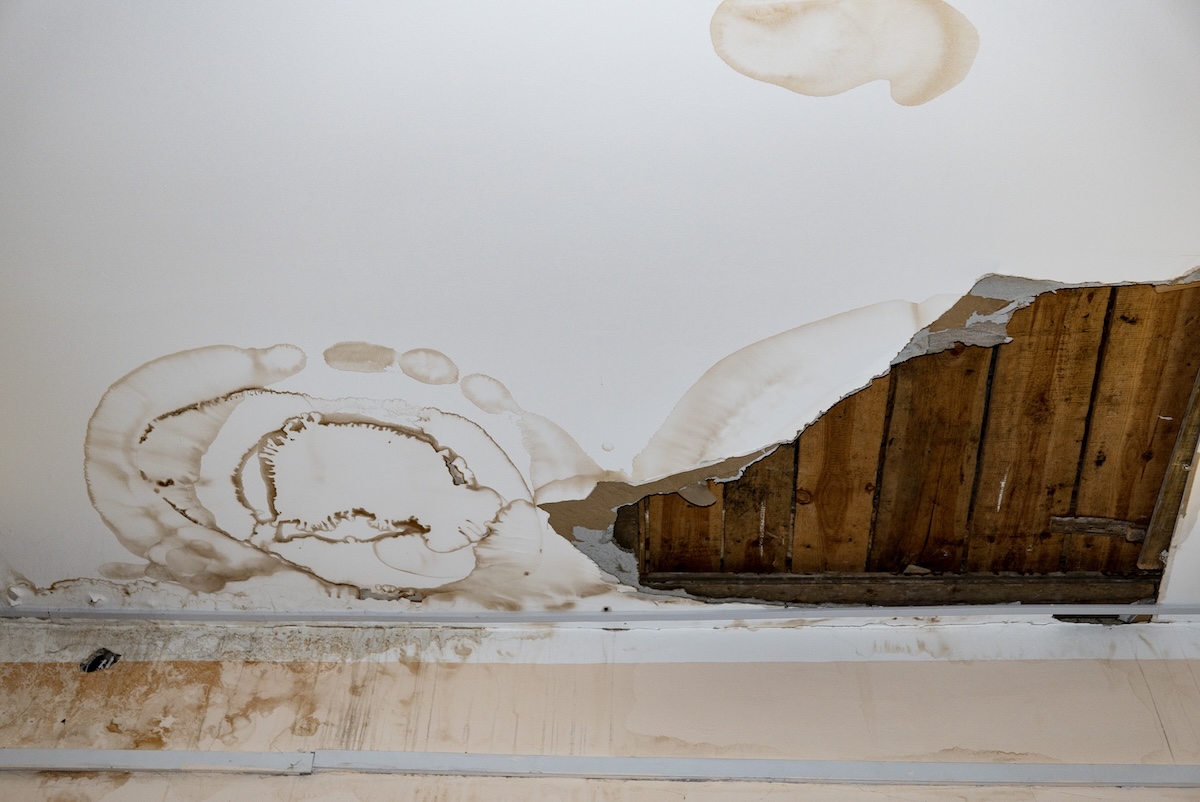
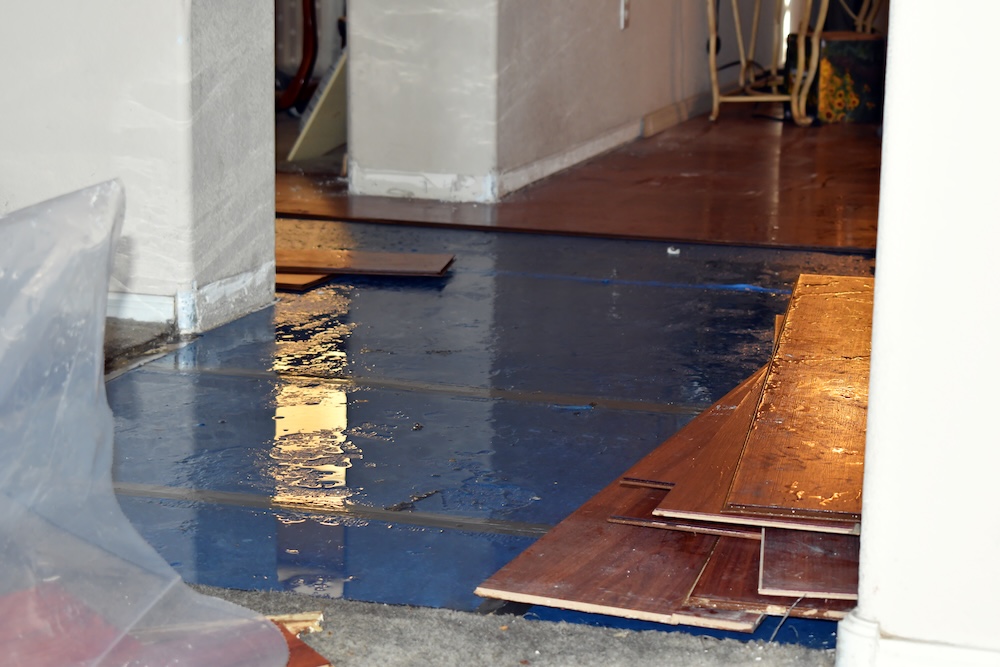
Once immediate hazards are controlled, contact a professional restoration company. Depending on the incident, commercial water damage restoration may involve water extraction, structural drying, moisture monitoring, and removal of damaged materials. Fire-related incidents can require additional cleaning, smoke residue removal, and repairs.
Your facility’s maintenance and safety personnel should coordinate any necessary utility shutdowns with qualified professionals. A sprinkler discharge, for example, may require attention from fire protection personnel before the affected system can be returned to service.
As soon as conditions permit, document the damage with photographs and videos. Record the affected areas, damaged equipment, and actions taken to limit further losses. Avoid disturbing damaged materials unnecessarily, particularly where contamination or infection-control concerns exist.
Establishing Restoration Priorities in a Healthcare Setting
Medical facilities have different operational needs depending on the services they provide. An outpatient clinic, diagnostic imaging center, and surgical facility may require very different recovery plans. Rather than automatically prioritizing the most expensive equipment or the rooms closest to the damage, your facility should evaluate patient safety, infection-control risks, and the importance of each area to essential clinical services.
Patient Treatment and Diagnostic Areas
Patient treatment rooms, diagnostic areas, and spaces used for invasive procedures often require particular attention. Water intrusion, smoke residue, or construction dust can affect the conditions needed for safe patient care. Facilities that serve medically vulnerable patients may face additional infection-control concerns.
Your clinical leadership and infection prevention personnel should determine which spaces require immediate attention and what conditions must be met before they can reopen. This may involve environmental assessments, specialized cleaning, equipment evaluations, and other measures appropriate to the services provided.
If a fire has affected treatment areas or adjoining rooms, professional commercial fire and smoke damage restoration can address building damage and fire residues. However, the restoration contractor’s completion of cleaning or repairs does not independently establish that a clinical area is ready for patient use.
Sensitive Records and Electronics
Medical records, diagnostic equipment, computers, and servers can be particularly vulnerable to water and fire damage. Even when equipment appears undamaged externally, moisture or smoke residues may have reached internal components.
Do not restart affected electrical equipment until qualified personnel have evaluated it. Medical devices may require inspection, servicing, testing, or replacement according to manufacturer instructions and your facility’s requirements.
Damaged paper records may be candidates for professional document restoration, depending on their condition and the type of contamination involved. However, any work involving patient records must follow your organization’s privacy and security procedures as well as applicable laws.
HIPAA requirements continue to apply during disaster recovery. Your facility remains responsible for protecting patient information, maintaining appropriate access controls, and coordinating with qualified information technology and privacy personnel. Restoration contractors should only handle protected information under appropriate safeguards and agreements when required.
Administrative Offices and Common Areas
Administrative offices, waiting rooms, and staff areas may be less critical than certain treatment spaces, but their importance depends on your facility’s operations. Reception areas, scheduling systems, and patient registration functions may be necessary to support continued care.
Some administrative work can potentially be relocated or performed remotely while restoration proceeds. Your facility’s leadership should determine which functions can continue, which require temporary alternatives, and how to keep patients informed about service changes.
Protecting Unaffected Assets During Restoration
Even when damage is limited to one area, restoration activities can affect surrounding spaces. Demolition, material removal, and cleaning may release dust or other airborne contaminants. In healthcare environments, controlling these exposures is especially important because certain patients are more vulnerable to infections associated with environmental microorganisms.
Before work begins near occupied clinical areas, your facility should coordinate an infection-control risk assessment appropriate to the project. This helps determine what containment measures, work restrictions, and monitoring procedures may be necessary.
Isolating Damaged Zones
Physical barriers can help prevent dust and debris from spreading beyond the work area. Depending on the scope of restoration and the surrounding patient population, these barriers may include sealed temporary partitions or more substantial containment systems.
Some projects also require negative-pressure containment to help keep airborne particles inside the designated work zone. However, negative pressure must be properly established and monitored. Its effectiveness depends on the building’s airflow patterns, HVAC configuration, barrier integrity, and other conditions.
Containment procedures should be developed with your facility’s infection prevention and engineering personnel. Restoration workers may also need designated access routes and procedures for removing debris without transporting contaminants through patient-care areas.
Safeguarding Medical Equipment and Supplies
Medical supplies and equipment in nearby rooms may need protection from moisture, dust, and airborne residues. When appropriate, unaffected items can be relocated to secure storage before restoration work begins.
Covering certain equipment may help prevent surface contamination, but protective sheeting alone is not sufficient for all medical devices or sterile supplies. Items with compromised packaging or suspected contamination must be evaluated according to your facility’s procedures and manufacturer requirements.
Do not assume that cleaning visibly affected surfaces makes every medical item suitable for reuse. Your facility’s infection prevention, sterile processing, and equipment management personnel should determine whether additional treatment or replacement is required.
The Importance of Thorough Damage Documentation
Detailed records can support insurance claims, restoration planning, and internal decisions about equipment replacement and operational disruptions. Your restoration partner may assist with documenting building damage and completed work, but your organization should maintain its own records as well.
Documentation should be collected safely and should not unnecessarily expose confidential patient information. Photographs and videos intended for insurance purposes should focus on property damage rather than identifiable patient records.
- Photographs and videos showing building damage and affected areas
- An inventory of damaged equipment, furniture, supplies, and other property
- Records of emergency repairs, cleanup expenses, and temporary accommodations
- Inspection reports and recommendations from qualified equipment specialists
- Dates and descriptions of interrupted services or temporary operational changes
- Relevant communications with insurers, contractors, and facility personnel
Keep copies of estimates, invoices, and restoration progress reports. These records can help substantiate covered losses and support discussions with your insurer. The amount reimbursed will depend on your policy, coverage limits, exclusions, and the circumstances of the incident.
Planning a Phased Return to Normal Operations
Restoring a medical facility doesn’t always require waiting until every affected room has been repaired. Depending on the nature of the damage and your building’s layout, some departments may be able to reopen while work continues elsewhere. However, a phased reopening must be based on patient safety and operational requirements rather than construction progress alone.
Work with your restoration project manager, facility leadership, infection prevention personnel, and relevant clinical departments to establish a realistic recovery schedule. Before an affected area returns to use, verify that required repairs, cleaning, equipment evaluations, and environmental controls have been completed.
Your facility may also need to inspect HVAC systems, evaluate water systems affected by the incident, and confirm that essential utilities and clinical equipment are functioning properly. The extent of these checks depends on the damage and the services provided in each area.
During a major incident, large-loss restoration services can help coordinate extensive building cleanup and repairs across multiple affected areas. Your clinical and administrative teams remain responsible for determining when and how patient services can safely resume.
Clear communication is also important. Notify employees, patients, and referring providers about temporary closures, relocated appointments, or changes to available services. When possible, provide alternative arrangements for patients whose care may be interrupted.
Proactive Planning With Paul Davis
One of the most effective ways to reduce disruption after a disaster is to prepare before an incident occurs. A documented emergency response plan can identify critical departments, important building systems, emergency contacts, and procedures for coordinating property restoration.
Our First Priority program helps commercial property managers and facility operators prepare for potential emergencies. By gathering relevant property information and establishing response procedures in advance, we can help make the initial restoration process more organized when water, fire, or another disaster affects your building.
For medical facilities, this preparation should complement existing emergency management, infection-control, and continuity-of-care plans. Identifying restoration priorities before an incident can reduce uncertainty, although the actual recovery timeline will depend on the severity of the damage and the requirements for safely reopening affected spaces.
Commercial Restoration for Worcester Medical Facilities
A water or fire emergency at your medical facility calls for careful coordination between restoration professionals and the people responsible for patient care. Prompt damage assessment, appropriate containment, thorough documentation, and a structured recovery plan can help reduce disruption while protecting your staff, patients, and property.
At Paul Davis Worcester, we provide commercial restoration services for facilities throughout Worcester County and Central Massachusetts. Our team can address water, fire, and smoke damage while coordinating building restoration activities with your facility’s operational needs.
If your medical facility has experienced water or fire damage, contact us at Paul Davis Restoration of Worcester County today for specialized restoration services for your medical facility.